Search This Blog

Wednesday, 17 August 2011

Stop bugging me!

The Green Vegetable Bug


The younger black nymph (left) and the green nymph (right)
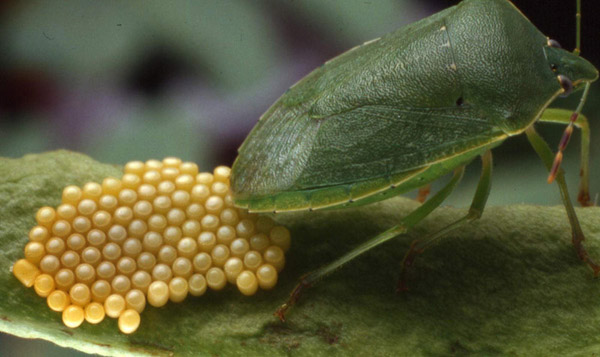

mature vegetable bug laying eggs (my friend found presents like this on her salad last year and we had to use an expert to identify what it was)

The vegetable bug will suck your beans, tomatoes and corn dry so you have to keep on top of them. Hallelujah there is a simple and effective way to do this, just squish them. By squishing them they release a horrid smell that acts like a warning signal for all other vege bugs which will deter them from your plot. Even better collect a few, mash them up, mix them in with water and a smidgeon of detergent then spray them back onto your plants basically labelling you vege plot with DANGER -  DO NOT ENTER TAPE.

Aphids


You could call me an expert on aphids. I spent my honours year at uni studying them, in particular their ovaries. One of the main reasons Aphids are so successful is due to their asexual mode of reproduction. An adult female aphid can produce hundreds of clones of herself and they are born as mini aphids not eggs so it is a relatively quick way to reproduce. Hence your roses, beans or peas can become covered in aphids in a few days. They tend to hang out on the new growth of plants sucking the sap out of tender stems. If there is only a few on your plants just squash them or take to them with a hose otherwise soapy water is good for getting rid of them because it blocks their trachea on their bodies which is what they use to breathe.

Cabbage Butterfly - Brassicas Beware


The cabbage butterfly loves to lay it's eggs on brocolli, cauliflower, cabbage and swedes and these wee nasties hatch into caterpillars which will devour your crop. Best way to get rid of the grubs is to keep a careful watch over your plants and pick off any caterpillars that you can see, then feed put them on your bird table to feed the birds. Best tip: don't grow brassicas through the height of summer when the white butterfly will do it's worse instead sow greens like lettuces and rocket for some yummy summer salads.


Sunday, 14 August 2011


I have war wounds from this weekends gardening onslaught.


What began as a little tidying of my climbing roses turned into a 2hr pruning session that required a visit to the neighbours. The climbing roses on my west fence have been running wild for too long now. They are beautiful perfumed roses however there is no way you can ever get a whiff of them when all the flowers are up in the clouds.

I set out to prune them a little so the flowers would develop at head height but this mode of attack was thrown out the door when I realized that most of the growth was over at the next door neighbours place. In the end Biddy Belle my neighbour poked her head over the fence to see what all the commotion was about.  She invited me over so I could fix the mess of branches on her side of the fence.  It was viscous work but after borrowing Biddy Belles loppers I made a real dent in the bushes.

Last on my list was to give the roses a good spray with SuperShield to tackle rust and aphids. Rust is particularly problematic on one of my roses and if I find that after spraying it still doesn’t get rid of the problem I might just have to make a drastic decision and pull that particular rose out and start anew.

Hopefully my actions from Saturday’s battle will result in new spring growth on the lower laterals of the roses so I can finally enjoy the blooms. 

What to do on a snow day?


have a lot of edibles in my garden, yet I don't really make the most of them. In fact last year my apples went to the tip, the red currants were left for the birds and the strawberries rotted due to neglect.

My strawberries might have gone to waste last year, but this year I am positive I will get a bumper crop. This weekend before it snowed I transplanted my strawberries into hanging baskets, gave them a sprinkling of strawberry fertilizer, mulched them with pine needles then hung them in my magnolia tree. When the fruit begins to develop I will drape over some bird netting to ensure that all those ripe strawberries are for human consumption only.

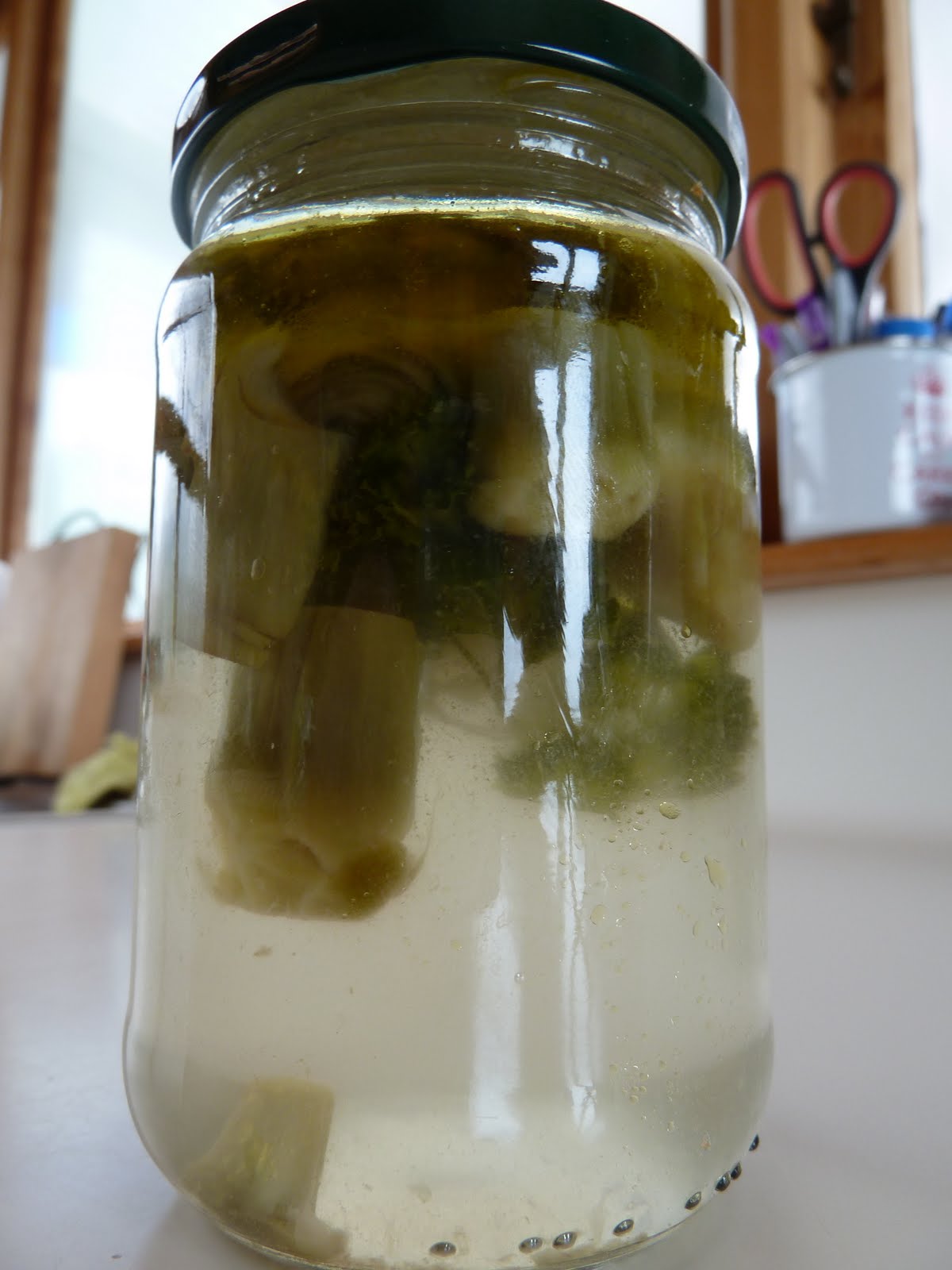
This year I aim to be a productive gardener and I am going to start by going out of my comfort zone and trying new things. Today was a perfect opportunity to put words into action, due to a antartic blast we are stuck inside at Galloway Street. I braved the cold for a minute to grab  10 artichoke buds from my globe artichoke plant so I could  try my luck at pickling. I looked up a few recipes online and chose the one that I actually had the ingredients for. Didn't end up with a full jar at the end of it all but they might do well in a salad sometime next week. 


What you need:

·      2kg of the small artichokes (the larger ones are too tough for eating)
·      Lemon juice
·      3 tbsps olive oil
·      1 tbsp salt
·      2 tbsps sugar
·      2-3 garlic cloves
·      3 tbsps table vinegar (9%)
·      Parsley

1.  Wash the artichoke and peel the tough outer layers off, then cut the top and bottom bits off so you are left with only tender artichoke.
2.  Immerse in lemon juice to stop browning
3.  Bring 1L of water to the boil then add the oil, salt, sugar and vinegar and artichoke and boil for 5 minutes
4.  While waiting for the artichokes to cook sterilise a jar with lid in boiling water
5.  Line the jar with parsley and garlic cloves then add the artichokes and liquid to the jar and seal with the lid.

Monday, 8 August 2011

August is the time of year to start planning for the spring, summer and autumn seasons in the vege garden. Throughout July I was busy weeding and turning over the soil in my patch and digging in compost and sheep pellets. Now it is finally time to begin some plantings. 

August and September are surprising months in that they can be lovely and warm and sometimes windy, frosty and wet so you have to be careful when planting out because some vulnerable seeds and seedlings might just keel over. I plan to sow pumpkin but this will have to wait until October when all risk of frost has gone. August permits planting of some of the more hardier vegetables like brocolli and cauliflower. By raising seeds first in trays under shelter and then planting out in five to six weeks they will be nice and strong for the September weather. Cauli and Brocolli grown at this time in the year are also fruiting well before the white butterfly is around so these will most likely be the plamts you get your best crops from. 

I have also purchased my early crop seed potatoes and yams which I have put in a warm spot in my laundry to sprout and I will plant these out in October. Carrots are a hardy vegetable and I plan to make succesive sowings of these each month up until April so we have carrots almost year round, I am going to take the effort to plant each seed nicely spaced this time because it is fiddly work to thin them out later. 

I am also going to try my hands at some companion planting. I have heard that by planting flowers in your vege garden it attracts good insect predators that will get rid of nasty bugs and will pollinate your vegetable flowers if you would like seed. Fennel and Marigolds in particular are said to emit a smell that deters the bugs that can make a mess of our veges. 

Because I don't have a lot of space in my vege garden I have opted for tyre planters (as a cheap option and free from your local beaurepaires, although I am a little worried about leaching chemicals) for planting my smaller crops such as lettuces, aparagus, onions, courgette and garlic. Some of the early crop peas have already been planted straight into the garden bed and will climb a trellis I purchased from Bunnings along with beans that I will sow when it gets warmer. The cauliflower I planted in autumn are ready for picking I just have to think of a nice meal to put them in. 


The Vege Plot Plan - Although I am certain it will change


Almost blank canvas.

The strawberrys will be moved to a wall basket and mulched with pine needles (last year I had a lot of trouble with unripe fruit rotting)


Asparagus crowns have been planted and should be ready to harvest in summer


My challenge this year is to grow eggplant. I love this vegetable in vegetarian lasagne and it would be awesome if I could get it to grow in Dunedin. But I have been told it doesn't fair well in our cooler climate, so Thomas might have to build me a mini greenhouse!

No matter, I nabbed these instructions below off eHow:

Eggplant can take up to 4 months to begin bearing fruit and therefore needs a long season so sow eggplant seed indoors at least 8 to 10 weeks before the last expected frost. Harden off seedlings, then transplant them to the sunniest part of your garden when all danger of frost has passed. Stake tall varieties to keep the fruits off the ground.
Pinch back new blossoms about three weeks before the first expected frost. This will channel the plants' energy into maturing existing fruits rather than producing new ones that won't survive the frost.
Start picking eggplants as soon as they're big enough to use, and keep picking them till the fruits lose their gloss. If they're brown and hard, you've waited too long.


Poly poly polyanthus!


Polyanthus bundles on the outside tables at The Good Earth (one of our local coffee shops)


Polyanthus in bloom in my garden, finally!


Polyanthus at The Good Earth

It’s hard to find something that can match the long flowering period of Polyanthus, they reward you with months of bright cheerful blooms. Ideally, polyanthus enjoy a moist, well drained garden soil that has had plenty of compost, mulch and organic material dug in. 

Polyanthus are perennials and they do respond well to being divided. If you look at a plant which you may have bought as some time ago, you may notice that there are now multiple small plants and no large one. If you lift the small plants and give them space to grow, they will reward you with renewed vigour and flowering. 

The primula family comprises a number of hardy perennials including Primula veris, the cowslip, and P. vulgaris, the primrose. The polyanthus is a hybrid of these two, with characteristic whorls of primrose flowers in a huge variety of colours, carried on strong stems above a rosette of oval leaves.

The polyanthus I planted in May have just begun to flower, which hopefully lasts until last spring.

Sunday, 7 August 2011

Bumblebee Box

I think bumblebees are some of the loveliest creatures. They are so clumsy and everytime I hear one buzz by it makes me smile. So when I saw instructions in NZ Gardener Magazine on how to make my very own bumblebee house I was quick to show them to my personal builder. He created a wonderful masterpiece in my fav colour lavender and gave it to me as a birthday present. This weekend I put some pine needles inside for insulation and popped it beside the Pieris japonica (Japanese andromeda) they frequent so hopefully in September I can lure an emerging queen bumblebee to this humble abode.


Japanese Andromeda


Plant of the Week: Billy Button

Craspedia Globosa 

Known as the "Billy Button," or "Billy Ball", Craspedia is a perennial wildflower of New Zealand, Australia and Tasmania. Very long flowering period Dec to frost, the 2.5cm globes last and last and they are very easy to grow. 


Billy Buttons as seen in the commonwealth games bouquet.